

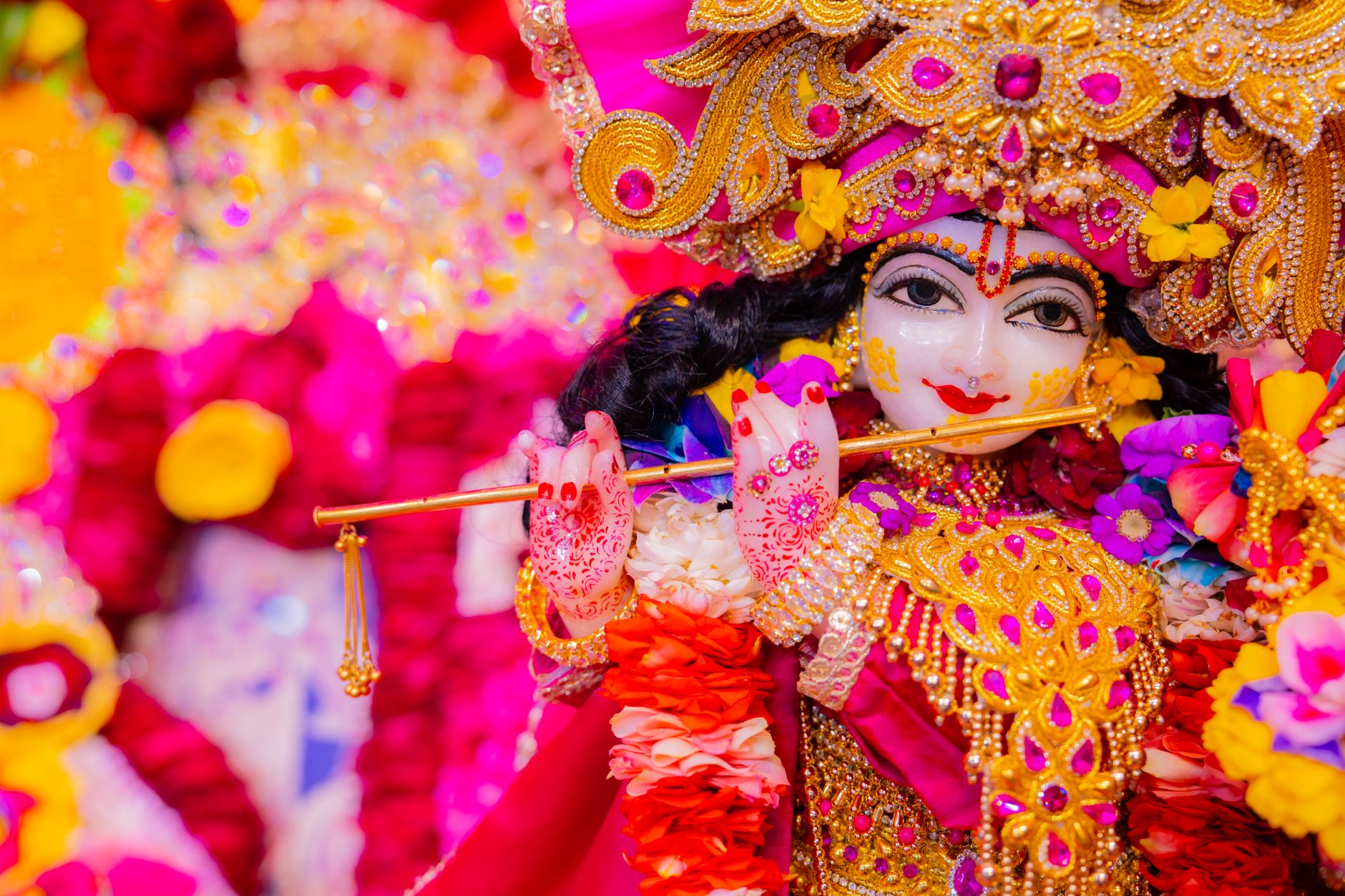
Janmashtami celebrations in India are a joyous occasion marked by children and school students across the country. From colorful decorations to traditional dances, the festivities highlight cultural heritage.
Janmashtami celebrations in India: A Cultural Overview
Janmashtami celebrations in India are a vibrant and joyous occasion, marking the birth of Lord Krishna, a beloved deity in Hinduism. This festival is characterized by a variety of cultural practices that vary across regions, showcasing the rich diversity of Indian traditions.
In many parts of the country, people engage in fasting and devotional singing, creating a spiritual atmosphere that resonates with the essence of the festival. Temples are beautifully decorated, and special prayers are held to honor Lord Krishna. Many devotees also partake in theatrical performances depicting episodes from Krishna’s life, adding a lively element to the celebrations.
Children play a significant role during Janmashtami, often dressing up as Krishna and his consort, Radha. Streets are filled with the sounds of traditional music and dance, as community gatherings bring people together to celebrate. The popular ritual of breaking dahi handi, where teams strive to break a pot of curd suspended high above, symbolizes the playful and mischievous nature of Lord Krishna.
Overall, Janmashtami celebrations in India serve as a beautiful reminder of love, joy, and togetherness within the community.
How Children Celebrate Janmashtami in India
Janmashtami celebrations in India are particularly vibrant among children, who eagerly participate in various activities that bring the festival to life. Schools across the country organize special events, allowing students to engage in the spirit of the occasion.
Children often dress up as Lord Krishna and Radha, showcasing their creativity and enthusiasm. They participate in plays that depict the life and adventures of Krishna, highlighting his playful nature and divine deeds. These performances not only entertain but also educate young minds about the rich cultural heritage associated with the festival.
Additionally, many schools hold competitions where students create colorful decorations and traditional crafts. Art and craft sessions are organized, allowing children to make matkis (earthen pots) and other festive items that symbolize the joy of Janmashtami.
In many regions, kids also partake in the traditional game of dahi handi, where they form human pyramids to reach and break a pot filled with curd hung high above. This thrilling activity fosters teamwork and camaraderie while celebrating the playful essence of Lord Krishna.
School Students’ Role in Janmashtami Celebrations
Janmashtami celebrations in India are not just confined to homes and temples; school students play a vital role in bringing the festivities to life. From organizing events to participating in various activities, students contribute significantly to the joyous atmosphere during this auspicious occasion.
In many schools across the country, students engage in a variety of cultural programs that highlight the significance of Lord Krishna’s birth. These programs often include:
- Dramatic Performances: Students enact scenes from Krishna’s life, showcasing his playful childhood and divine deeds.
- Traditional Dance: Folk dances like Raas Leela are performed, allowing students to express their creativity while embracing cultural heritage.
- Decorating the School: Classrooms and corridors are adorned with vibrant decorations, including pictures of Lord Krishna, flowers, and colorful rangoli.
- Cooking Competitions: Students prepare traditional snacks and sweets like ‘laddu’ and ‘peda,’ which are offered during the celebrations.
Through these activities, school students not only celebrate Janmashtami but also instill a sense of community and cultural pride among their peers.
Unique Traditions for Janmashtami Celebrations in India
Janmashtami celebrations in India are rich with unique traditions that vary from region to region, showcasing the diverse cultural heritage of the country. One of the most beloved practices is the dahi handi event, particularly popular in Maharashtra. In this tradition, teams of young men form human pyramids to reach and break a pot filled with curds, symbolizing Lord Krishna’s playful nature.
Another fascinating aspect of Janmashtami is the midnight celebration, which marks the birth of Lord Krishna. Devotees gather at temples and homes to sing hymns, offer prayers, and perform pujas at the stroke of midnight. This is often accompanied by the traditional act of reenacting scenes from Krishna’s life, bringing the stories to life through drama and dance.
In many households, specially prepared dishes like makhan (butter) and peda (sweet) are offered to Krishna, emphasizing his love for sweets. Additionally, people adorn their homes with floral decorations and colorful lights, creating a festive atmosphere that enhances the joy of this auspicious occasion.
With such vibrant traditions, Janmashtami celebrations in India continue to be a time of joy, devotion, and community bonding.
Photos of Janmashtami Celebrations Across India
The vibrant Janmashtami celebrations in India can be seen through a myriad of photographs capturing the essence of this joyous festival. Across the country, devotees and communities come together to commemorate the birth of Lord Krishna, showcasing a rich tapestry of cultural expressions.
In bustling cities and serene villages alike, the celebrations are filled with color and life. Families adorn their homes with beautiful decorations, while temples are beautifully illuminated, attracting visitors from far and wide. The sight of children dressed as young Krishna, complete with peacock feathers and traditional attire, brings smiles to faces young and old.
Local fairs and processions fill the streets, featuring:
- Dahi Handi competitions where teams strive to break a pot filled with curd suspended high above.
- Traditional dance performances that narrate stories from Krishna’s life.
- Delicious sweets and snacks that are prepared specially for the occasion.
These photos not only capture the spirit of the festivities but also reflect the deep cultural significance of Janmashtami celebrations in India as a unifying force among diverse communities.
The Significance of Janmashtami Celebrations for Children
The significance of Janmashtami celebrations for children in India extends beyond mere festivities; it plays a crucial role in their cultural education and community bonding. Youngsters engage in various activities that foster a sense of belonging and understanding of their heritage.
During Janmashtami, children often participate in reenactments of Lord Krishna’s life, allowing them to connect with the stories and values associated with this beloved deity. These activities not only educate them about Hindu traditions but also instill a sense of morality and righteousness.
Additionally, children are involved in:
- Crafting decorations: Creating colorful garlands and drawings that adorn homes and temples.
- Performing dances: Showcasing traditional folk dances that narrate stories of Krishna’s adventures.
- Participating in fasting: Some children practice fasting, learning the significance of devotion and self-discipline.
- Gathering in communities: Joining local celebrations fosters friendships and strengthens community ties.
Overall, the Janmashtami celebrations in India serve as a rich tapestry of cultural learning and joyful participation, making it a vital experience for children across the nation.
One of the most cherished aspects of Janmashtami celebrations in India is the vibrant decorations that adorn homes and public spaces. Families come together to create beautiful altars, showcasing the significance of Janmashtami celebrations in India through colorful flowers and lights.
Photo by Jatin Dubey on Pexels
Sources
Related reading
- Why an Adult Tricycle Can Be a Practical Choice for Everyday Cycling
- The Hidden Errors Killing Patent Applications in Denver
- Medicare Advantage Plans 2026 Delivering Tailored Health Solutions